French Regulatory Measures Directing Mobile Applications for Jackpot Slots and Payment Safeguards
Écrit par Carlo Günther · 8/9/2026
French Regulatory Measures Directing Mobile Applications for Jackpot Slots and Payment Safeguards
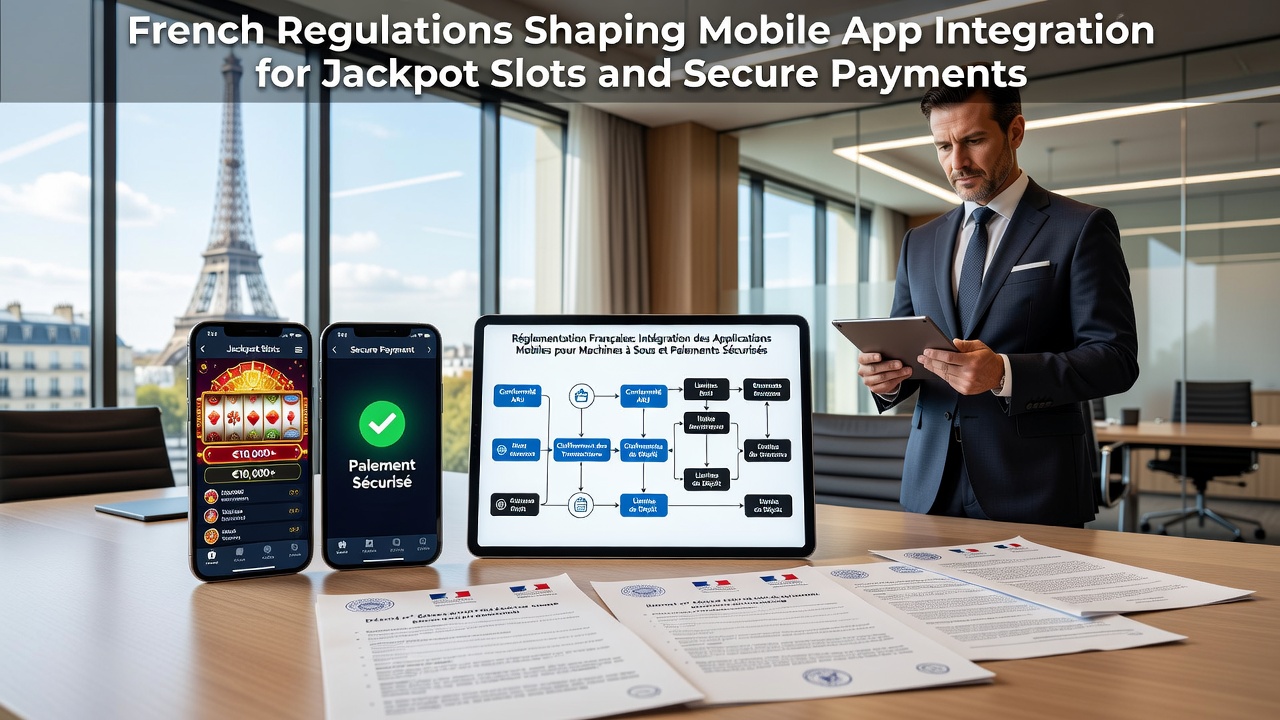
France maintains a structured system through the Autorité Nationale des Jeux that oversees mobile applications handling jackpot slots and payment processing, and this framework requires developers to integrate specific security protocols along with data protection standards before any app reaches users. Operators must align their platforms with these rules to offer games that feature progressive jackpots while ensuring transactions occur through verified channels that prevent unauthorized access or fraud.
Core Elements of French Oversight on Digital Gambling Platforms
Regulations from the Autorité Nationale des Jeux establish licensing criteria that cover every aspect of mobile app functionality for slot titles with jackpot features, and these criteria demand real-time monitoring systems along with encryption layers that protect user data during gameplay and financial transfers. Companies seeking approval submit detailed documentation showing how their applications comply with technical specifications, including random number generator testing and payout verification processes that apply directly to jackpot mechanics.
Data from regulatory filings indicate that mobile integrations must separate game logic from payment modules to reduce risks, and this separation allows authorities to audit each component independently while operators maintain seamless user experiences across devices. Observers note that such requirements have led developers to adopt modular architectures where jackpot calculations occur on secure servers rather than within the app itself.
Technical Standards for Jackpot Slot Integration in Mobile Environments
Mobile applications designed for jackpot slots under French rules incorporate certified algorithms that determine prize pools and trigger events, and developers must demonstrate that these systems update dynamically without introducing vulnerabilities during over-the-air updates. Testing protocols require third-party verification of fairness metrics before apps receive clearance for distribution on French markets, which means integration timelines often extend several months beyond initial coding phases.
Those who have examined compliance reports find that apps must log every jackpot-related transaction with timestamps and user identifiers, creating audit trails that regulators can access on demand. This logging occurs alongside standard gameplay data, yet the systems keep payment information isolated to meet data minimization principles outlined in national statutes. Applications that fail these checks face suspension until fixes are implemented and re-verified.

Payment Security Protocols Mandated by National Guidelines
Secure payment integration forms a central requirement for any mobile platform offering jackpot slots, and French authorities mandate that all financial interactions route through approved processors that employ multi-factor authentication plus tokenization methods. These processors must hold certifications from recognized bodies, which ensures that jackpot winnings transfer without exposing sensitive card or account details during the process.
Evidence from industry submissions shows that payment modules undergo separate approval cycles from game engines, allowing regulators to focus on fraud prevention techniques such as velocity checks and geographic restrictions that limit access based on user location. Operators often partner with European financial institutions to meet these standards, and the resulting setups support instant deposits while enforcing withdrawal delays that align with responsible gaming measures.
Research from academic sources on digital security highlights how these layered approaches reduce breach incidents in regulated markets, and French implementations specifically require end-to-end encryption that covers both jackpot win notifications and subsequent fund movements. Developers integrate these features early in the design phase to avoid costly revisions later.
Upcoming Adjustments Scheduled for September 2026
Planned updates to French regulatory guidance set for September 2026 introduce enhanced requirements for artificial intelligence monitoring within mobile apps that manage jackpot slots, and these changes will require real-time anomaly detection for payment patterns that deviate from established user behaviors. Operators have already begun adjusting their integration roadmaps to incorporate these tools, which build upon existing encryption standards without altering core jackpot mechanics.
Authorities have indicated that new reporting formats will accompany the updates, compelling apps to transmit aggregated data on transaction success rates and security incidents directly to oversight databases. This shift aims to streamline compliance verification while maintaining the separation between gaming and financial components that defines current practices.
Conclusion
French regulations continue to shape mobile app development for jackpot slots and secure payments through precise technical mandates and licensing processes that prioritize user protection alongside operational integrity. As September 2026 approaches, further refinements will test how effectively developers adapt existing architectures to meet evolving standards, yet the foundational emphasis on certified systems and isolated payment pathways remains consistent across all approved platforms.